At-Home Sleep Studies vs. Lab Tests: 2026 Insurance Guide
Finding out why you are waking up exhausted shouldn’t be a nightmare of paperwork. In 2026, the diagnostic landscape for sleep disorders in Australia has shifted significantly toward convenience. However, a common question remains for thousands of Australians: At-Home Sleep Studies vs. Lab Tests: Which Diagnosis Does Your Insurance Require in 2026? The answer isn’t just about comfort; it is about meeting specific clinical “gatekeeper” requirements set by Medicare and private health funds like Bupa, Medibank, and HCF. Whether you are battling obstructive sleep apnoea (OSA) or complex insomnia, understanding these insurance mandates is the first step toward a bulk-billed or rebated diagnosis.
See more: Understanding the Different Types of Sleep Apnea: Obstructive, Central, and Complex
The Core Difference: Level 1 vs. Level 2 Sleep Studies
In the Australian medical system, sleep studies are categorized by “Levels” based on the complexity of monitoring.
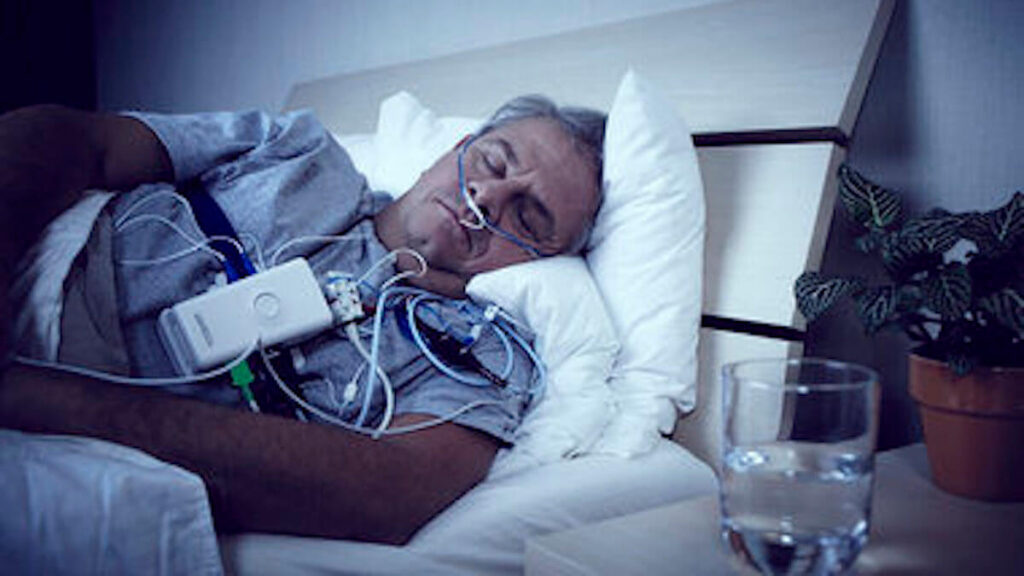
- Level 1 (In-Lab Polysomnography): This is the gold standard. You stay overnight in a hospital or specialized clinic. A technician monitors you in real-time, tracking brain waves (EEG), heart rhythm (ECG), muscle activity, and oxygen levels.
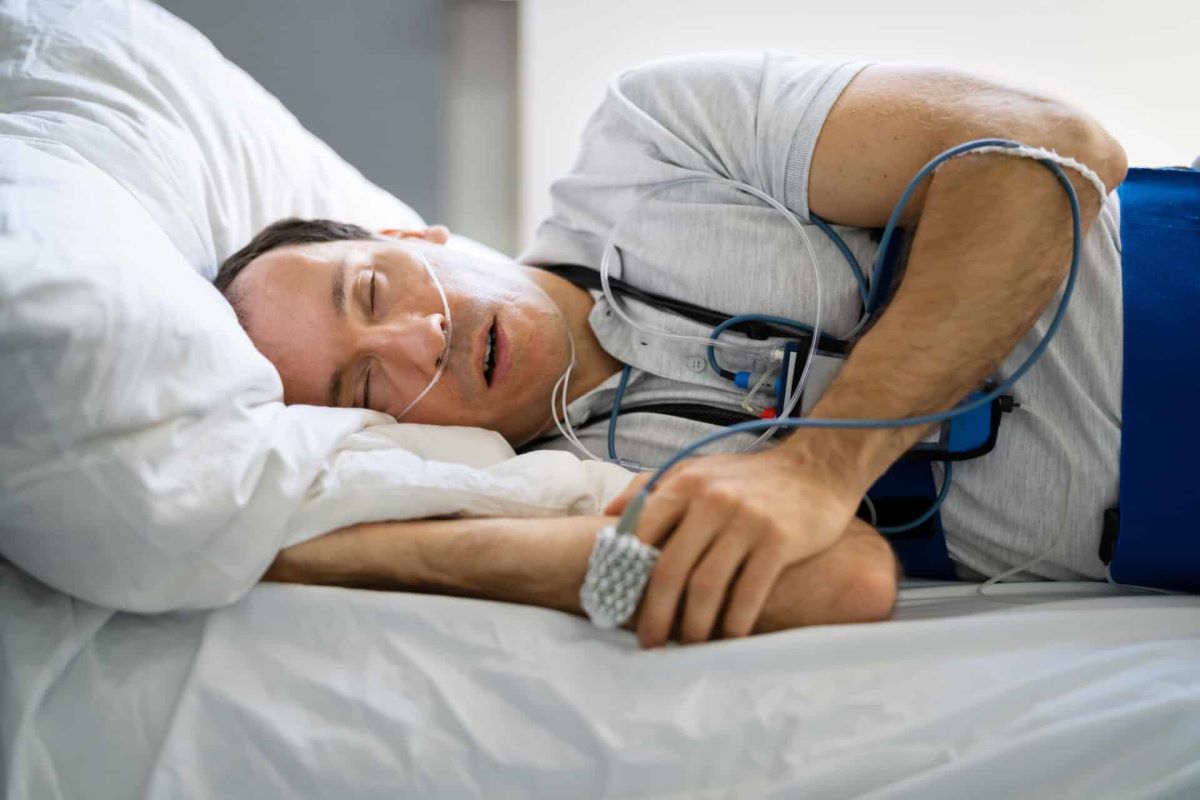
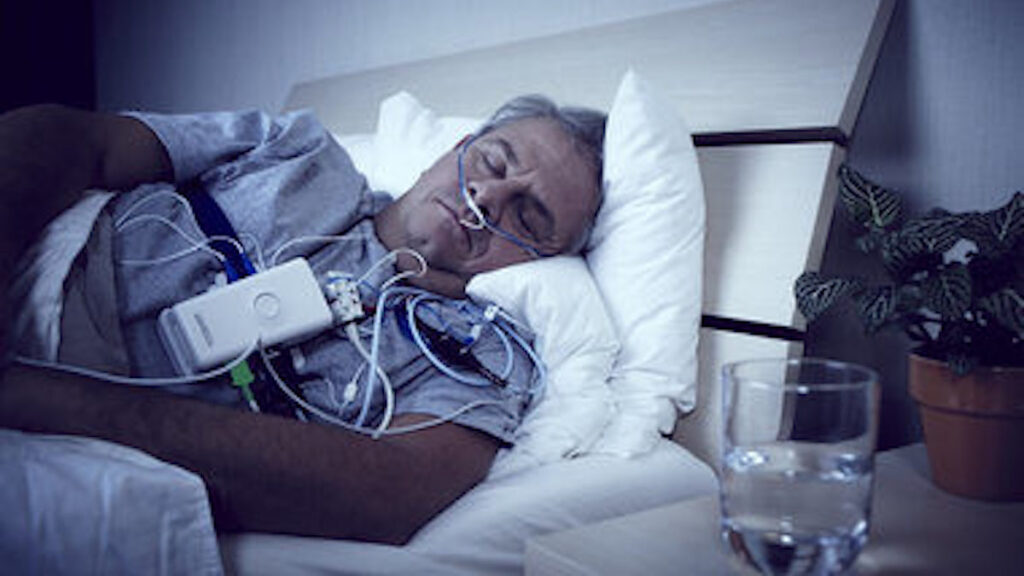
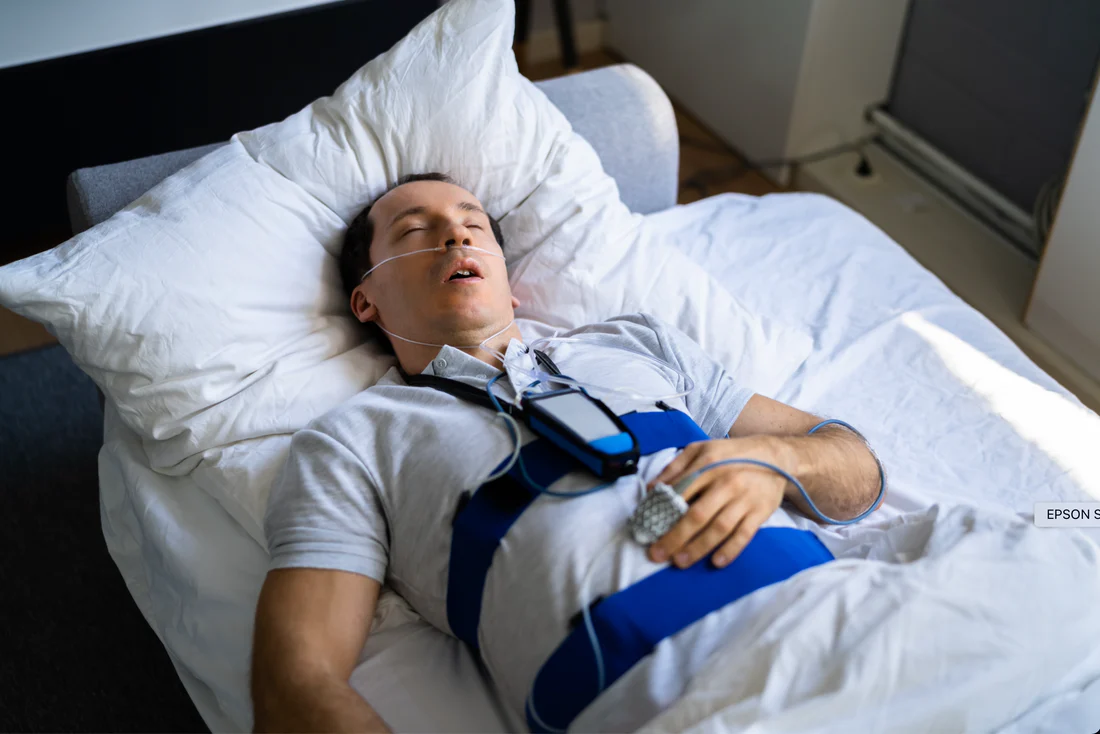
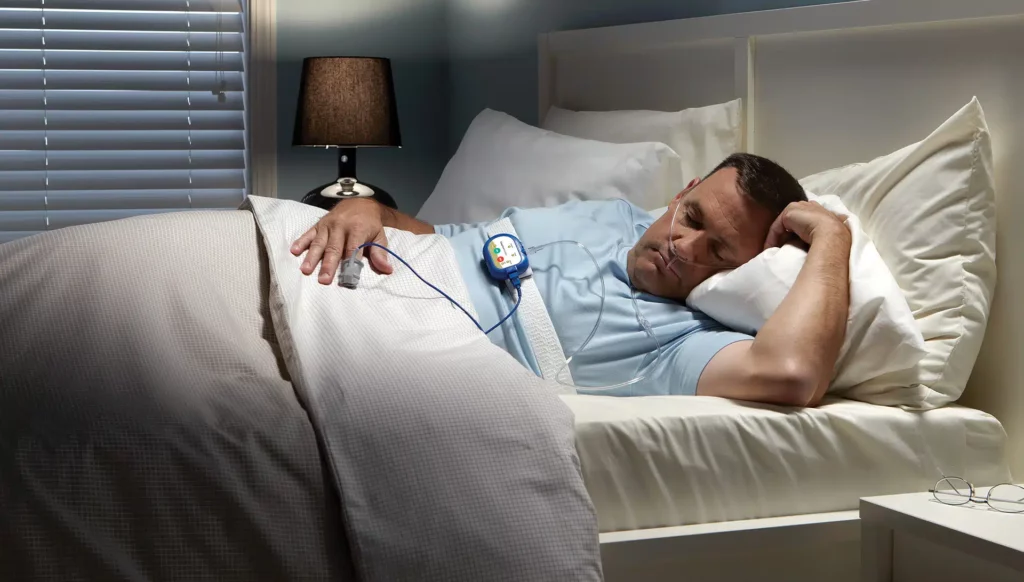
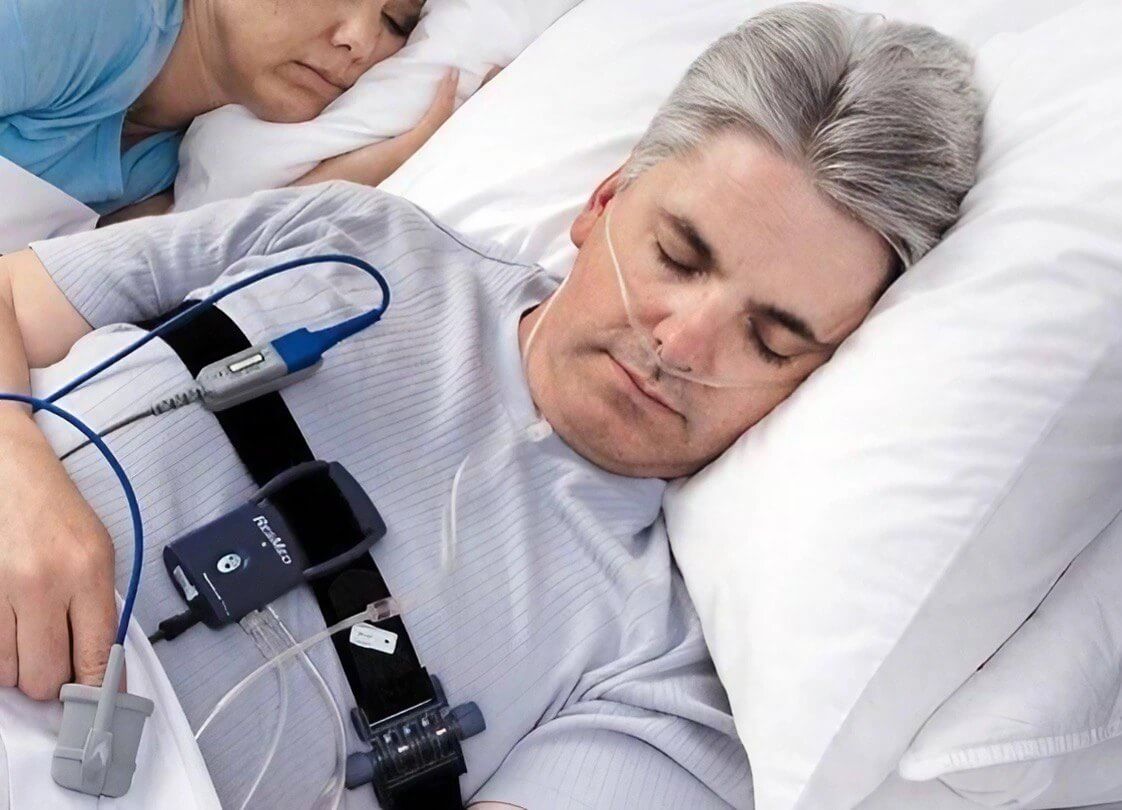
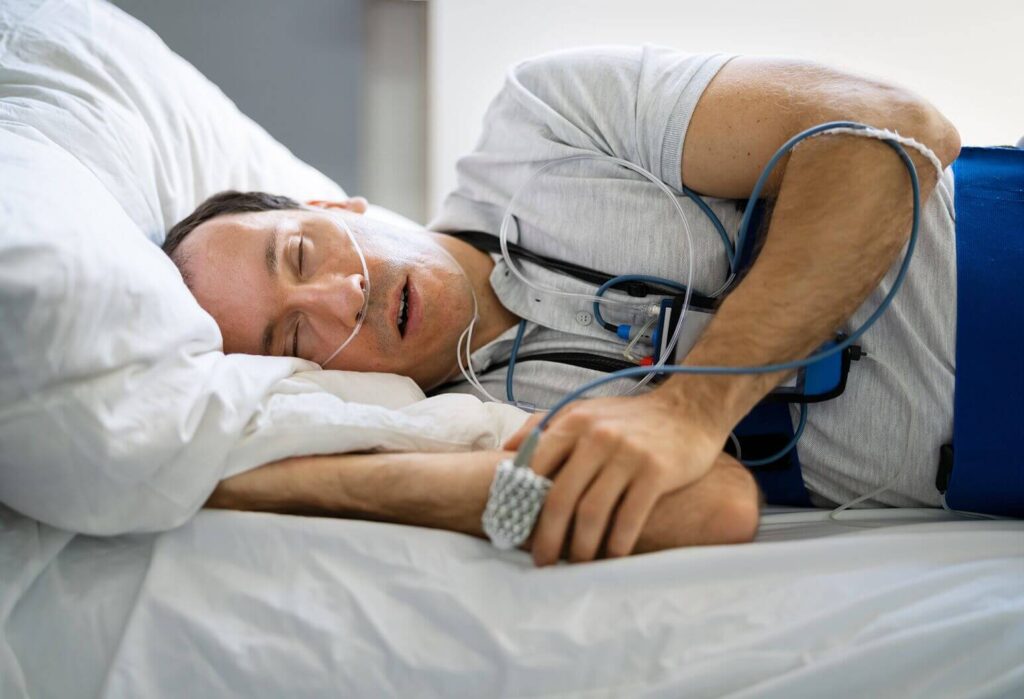
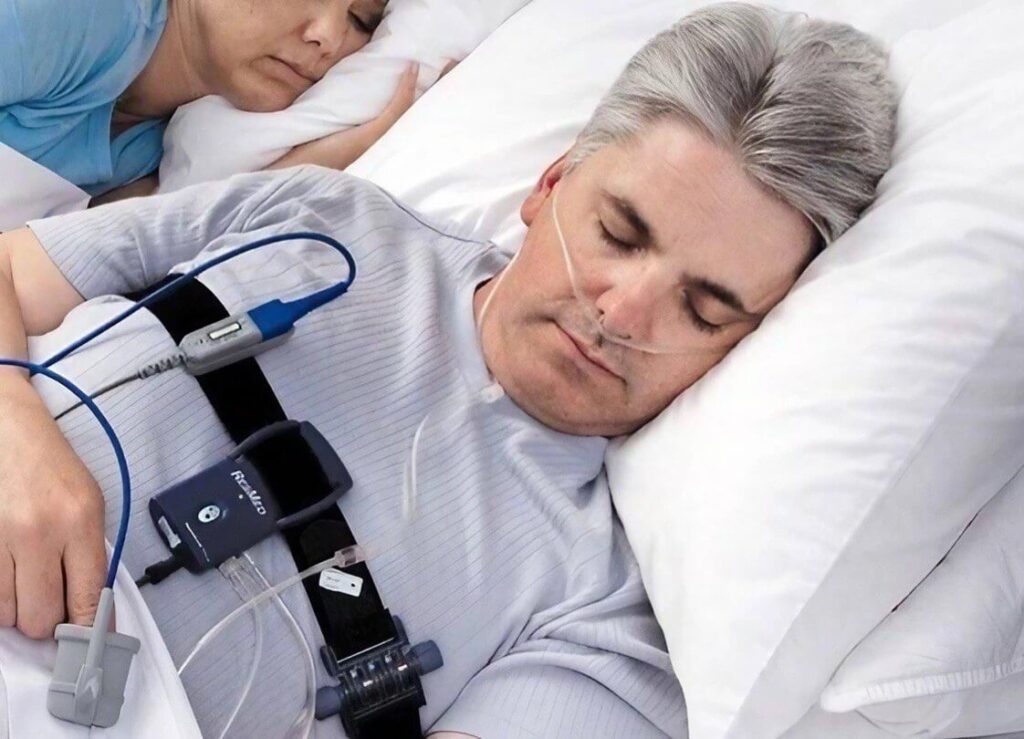
- Level 2 (Comprehensive At-Home Study): This uses the same high-end sensors as a lab test but is performed in your own bed. It is highly effective for diagnosing OSA and is the preferred “first-line” test for most insurance providers in 2026.
- Level 3 & 4 (Basic Home Tests): These are simplified screening tools often used for quick checks but rarely attract the full Medicare rebate required for a long-term treatment plan.
2026 Medicare Requirements: The “Screening First” Rule
As of 2026, Medicare Australia has solidified its stance: to receive a rebate for a sleep study, you must prove medical necessity through validated screening tools. You cannot simply “request” a study and expect coverage.
The Scoring Thresholds
To qualify for a Medicare-subsidised study (Item 12250 for home or 12203 for lab), a GP must confirm you meet the following criteria:
- Epworth Sleepiness Scale (ESS): A score of 8 or higher.
- STOP-BANG Score: A score of 3 or higher, OR an OSA-50 score of 5 or higher.
If you meet these scores, Medicare typically mandates an At-Home Sleep Study (Level 2) as the initial diagnostic step unless you have “complex comorbidities.”
Which Does Your Insurance Require?
Insurance requirements in 2026 are dictated by your specific symptoms and your policy tier.
1. When Private Health Requires a Lab Test
Most private health funds in Australia (Gold and some Silver Plus tiers) will only cover an In-Lab Sleep Test if:
- You have a pre-existing condition like heart failure, severe lung disease, or neuromuscular disorders.
- An initial at-home study was “inconclusive.”
- You are being tested for conditions other than sleep apnoea, such as Narcolepsy or REM Sleep Behaviour Disorder.
2. When At-Home Studies are Preferred
For the average Australian suffering from snoring or daytime fatigue, At-Home Sleep Studies are the default requirement.
- Cost Efficiency: Insurers prefer the lower cost of home kits (approx. $150–$400) over hospital stays ($1,000+).
- Wait Times: Home studies can often be booked within days, whereas lab waitlists in public hospitals can stretch to months.
| Feature | At-Home Sleep Study (Level 2) | In-Lab Test (Level 1) |
| Medicare Rebate | Yes (with high-risk screening) | Yes (with specialist referral) |
| Private Health | Generally not covered (Extras) | Covered (Hospital Tier) |
| Convenience | High (Your own bed) | Low (Hospital environment) |
| Accuracy | High for Sleep Apnoea | Superior for all disorders |
Step-by-Step: How to Get Your Study Covered in 2026
Navigating the 2026 healthcare system requires a specific order of operations to ensure you aren’t left with an unexpected bill.
Step 1: The GP Consultation
Visit your GP and mention your symptoms (snoring, gasping, morning headaches). Ask them to perform the ESS and STOP-BANG screenings.
Step 2: Referral Specification
Ensure your referral is for a Level 2 Home Sleep Study if you want to avoid out-of-pocket hospital gaps. If you have private health, call your provider and ask: “Is MBS Item 12203 covered under my current hospital tier?”
Step 3: Equipment Setup
For a home study, you will visit a clinic in the afternoon. A technician will show you how to apply the sensors. You return the device the next morning for data download.
Step 4: Specialist Review
In 2026, Medicare requires that a qualified Sleep Physician interprets the data. This is included in the service of most reputable Australian sleep clinics.
Common Insurance Mistakes to Avoid
- Assuming “Extras” Covers It: Most “Extras” (dental/optical) do not cover the cost of the study itself; sleep studies are almost exclusively handled under “Hospital” cover or Medicare.
- Forgetting the Referral: You cannot self-refer and claim a rebate. The referral must be dated before the study takes place.
- Ignoring the Waiting Period: If you just upgraded your health insurance to “Gold” to get a sleep study, be aware of the 2-to-12-month waiting periods for pre-existing conditions.
Best Practices for a Successful Diagnosis
To ensure your insurance-approved study provides the best data:
- Maintain your routine: Don’t avoid caffeine or alcohol if they are part of your normal daily life (unless instructed otherwise).
- Check sensor contact: In home studies, ensure the finger oximeter is taped securely; “lost data” is the leading cause of insurance-rejected claims.
- Documentation: Keep a copy of your screening scores (ESS/STOP-BANG) as some insurers may request them during audit.
Frequently Asked Questions
1. Does Bupa or Medibank cover at-home sleep studies?
Most major Australian funds do not cover the “service fee” for home studies under hospital cover, as you aren’t an admitted patient. However, they cover the In-Lab version if you have the appropriate tier (usually Gold).
2. Can I get a bulk-billed sleep study in 2026?
Yes. If your GP identifies you as “high risk” via the standard screening tools, many clinics offer bulk-billed Level 2 at-home studies with no out-of-pocket cost.
3. What if I don’t meet the Medicare screening score?
You can still have a sleep study, but it will be “self-funded.” Costs typically range from $150 to $300 for a home test.
4. Why did my insurance deny my lab test?
Insurance companies often deny lab tests if they believe a home study (which is cheaper) would have sufficed. Ensure your doctor specifies why a lab environment is medically necessary.
5. Are children eligible for at-home studies?
In 2026, Medicare rebates for home sleep studies are generally restricted to adults (18+). Children usually require an in-lab (Level 1) study for safety and accuracy.
Conclusion: Making the Right Choice for Your Health and Wallet
When comparing At-Home Sleep Studies vs. Lab Tests: Which Diagnosis Does Your Insurance Require in 2026?, the trend is clear. For the vast majority of Australians, an at-home Level 2 study is the fastest, most cost-effective path to a diagnosis that insurance and Medicare will support. However, if your medical history is complex, fighting for an in-lab stay may be necessary for a complete clinical picture.
Internal Linking Suggestions:
- Anchor: “guide to CPAP machine subsidies in Australia”
- Anchor: “symptoms of obstructive sleep apnoea”
External Authority References:
- Refer to the Australasian Sleep Association (ASA) for clinical guidelines.
- Consult the Medicare Benefits Schedule (MBS) Online for the latest item number descriptions.